25 Cozy Cottage Garden with Colorful Flowers
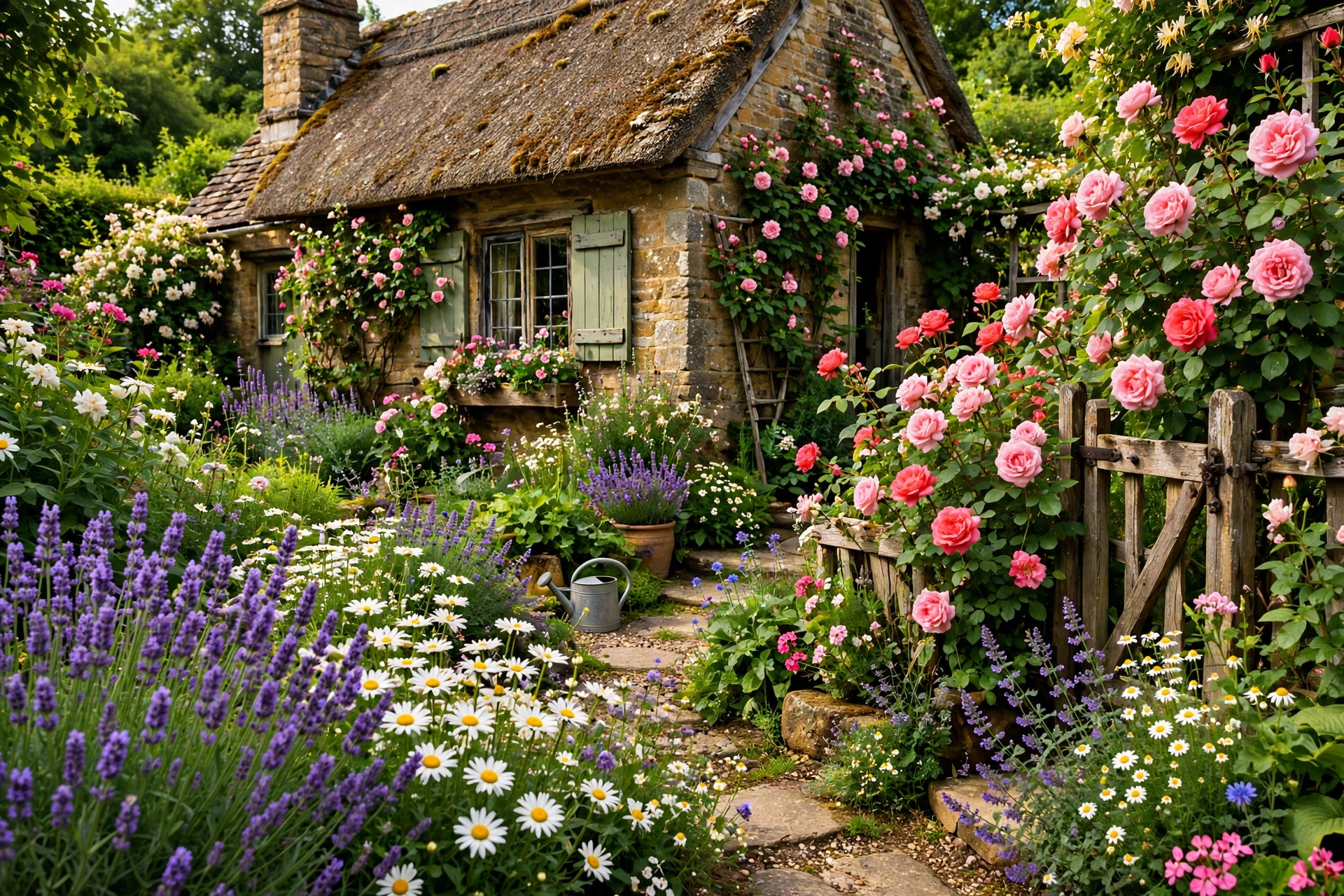
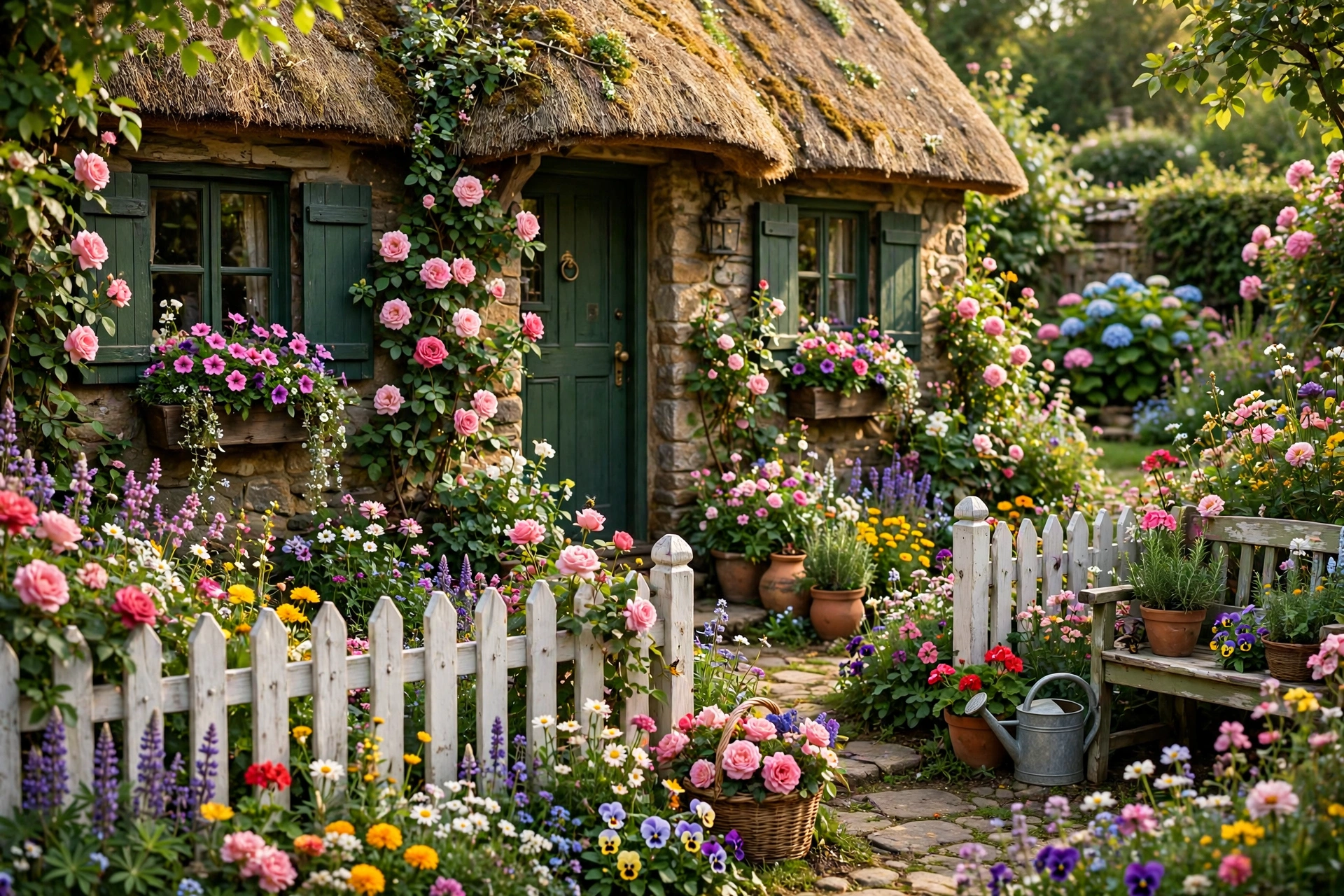
A cozy cottage garden with colorful flowers feels like stepping into a storybook, where roses spill over a white picket fence, lavender scents the air, and every winding path reveals a new burst of color. This charming style celebrates abundance over formality, mixing blooms, herbs, and climbing vines into a garden that looks effortlessly beautiful in every season.
Whether you have a tiny front yard or a generous country plot, these cozy cottage garden ideas will help you layer color, fragrance, and texture with confidence. For a calmer contrast, explore Peaceful Zen Garden with Natural Stone, and for a grander take on outdoor living, see Modern Luxury Garden Ideas. Together, they show how gardens can suit every mood and home.
1. Classic Cottage Roses Along the Picket Fence
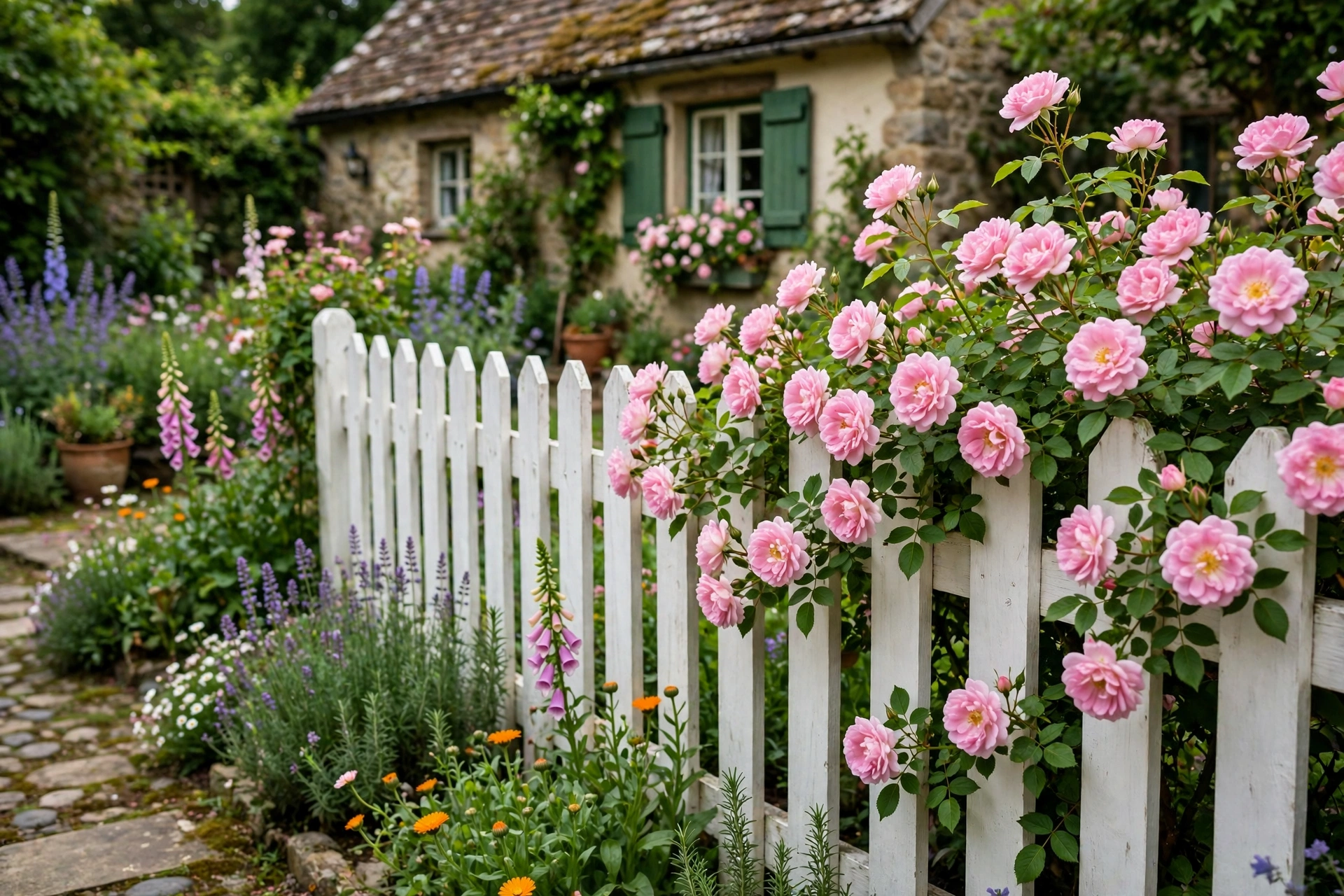
Nothing says cottage garden like roses tumbling over a white picket fence, their soft petals in pink, cream, and coral catching the morning light. Choose disease-resistant shrub roses for generous blooms from late spring until frost, and let a few canes arch naturally for that romantic, slightly wild cottage look.
Plant roses in a sunny spot with rich, well-drained soil, and mulch generously to keep roots cool and moist through summer. Deadhead spent blooms regularly to encourage fresh flowers, and feed in spring so your fence line stays colorful for months.
2. Lavender-Lined Winding Paths
Lavender edging a winding path fills a cozy cottage garden with color and fragrance, its purple spikes swaying beside soft green foliage. The scent greets every visitor, while bees and butterflies visit the blooms all summer long, adding life and gentle movement to the garden.
Lavender thrives in full sun and free-draining soil, so add grit if your ground stays wet in winter. Trim lightly after flowering to keep plants compact and bushy, and replace older woody plants every few years to maintain a lush, fragrant border.

3. Cheerful Daisy Borders
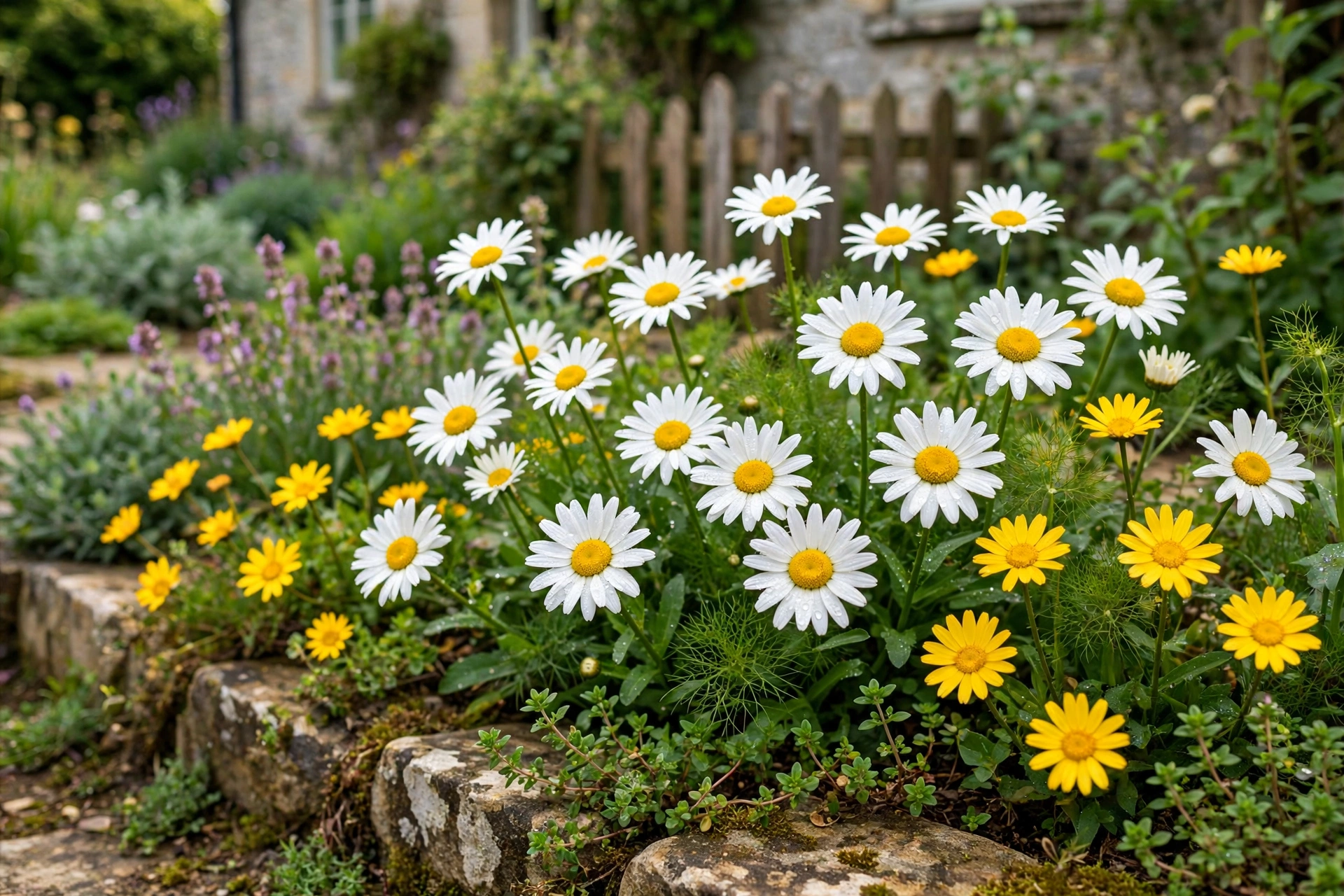
White and yellow daisies bring instant cheer to cottage borders, their simple open faces glowing against deeper greens and bright pinks. Shasta daisies and oxeye daisies are wonderfully easy to grow, forming generous clumps that return bigger and better each year.
Plant daisies in sunny borders with ordinary garden soil, and divide clumps every two or three years to keep them vigorous. Their long stems also make excellent cut flowers, so bring a few indoors to enjoy the cottage charm inside your home too.
4. Climbing Vines on a Storybook Arch
A wooden arch draped with climbing roses, clematis, or honeysuckle turns an ordinary garden path into a storybook entrance. The woven stems frame the view beyond, while scented blooms overhead make every walk through the garden feel like a small celebration.
Train young climbers onto the arch with soft ties, guiding stems evenly on both sides for balanced cover. Prune after flowering to control growth, and pair a spring bloomer with a summer one so the arch stays colorful across the seasons.

5. Wildflower Meadow Corners
A wildflower corner adds carefree cottage magic, with poppies, cornflowers, and cosmos dancing together in a loose, natural drift. This relaxed planting suits a sunny corner where formal beds might feel too stiff, and it supports bees, butterflies, and other welcome garden visitors.
Sow a cottage wildflower mix on bare, well-prepared soil in spring or autumn, and mow just once or twice a year. Avoid rich fertilizer, which encourages grass over flowers, and let seed heads stand through winter to feed birds and self-sow.

6. Colorful Window Boxes
Window boxes overflowing with geraniums, lobelia, and trailing ivy bring cottage color right up to the house, softening walls and framing every window with blooms. Even the smallest cottage gains instant charm when its windows wear a bright floral display.
Use a good potting mix and water window boxes daily in warm weather, since small containers dry quickly. Feed every two weeks and deadhead often, and your boxes will stay vivid from late spring until the first autumn frost.

7. A Charming Stone Path
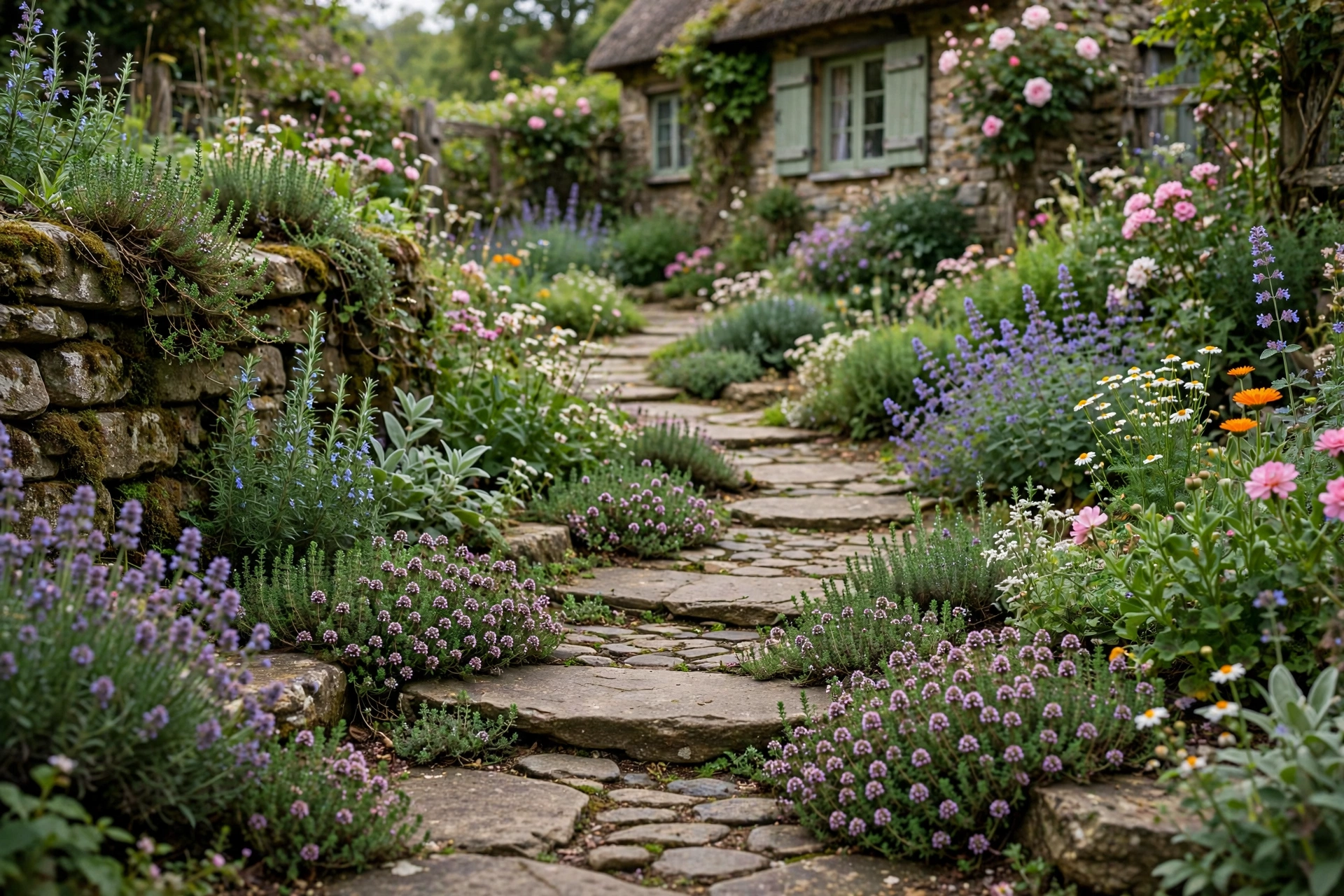
A winding stone path invites slow wandering through a cozy cottage garden, its uneven slabs softened by creeping thyme and low-growing flowers. The path connects beds, benches, and doorways, giving the garden a natural flow that feels discovered rather than designed.
Lay stones with generous gaps and plant creeping thyme, chamomile, or small sedums between them for fragrance underfoot. Keep the path slightly wider than expected so two people can stroll side by side among the blooms.
8. Sunflowers for Height and Joy
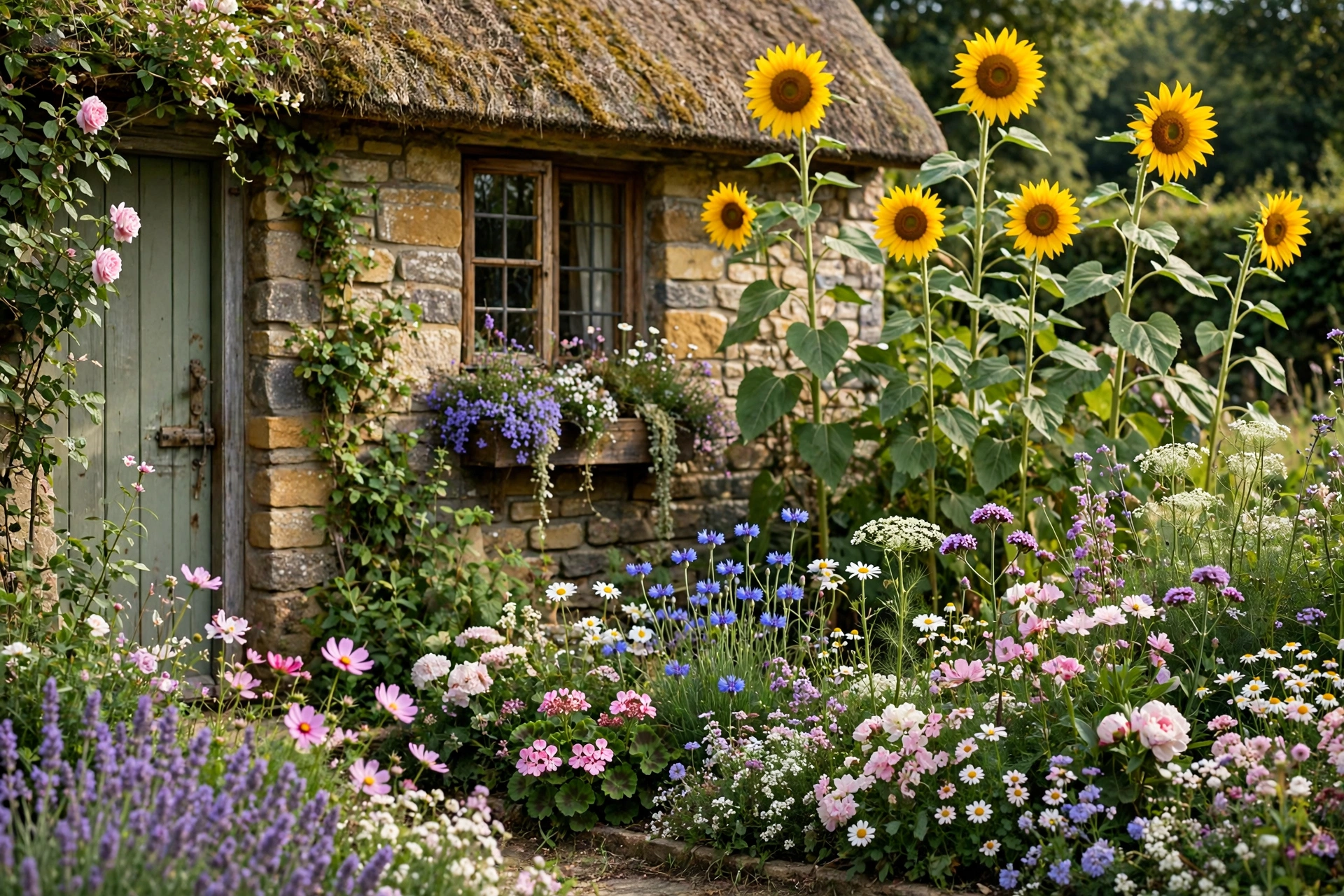
Tall sunflowers add joyful height to the back of cottage borders, their golden faces turning toward the sun all summer. Children love watching them grow, and their seeds later attract finches, bringing another layer of life to a colorful flower garden.
Sow sunflowers directly in a sunny, sheltered spot after the last frost, and stake tall varieties before they grow heavy. Water steadily in dry spells, and leave a few seed heads standing in autumn for birds to enjoy.
9. Fragrant Herb Edges
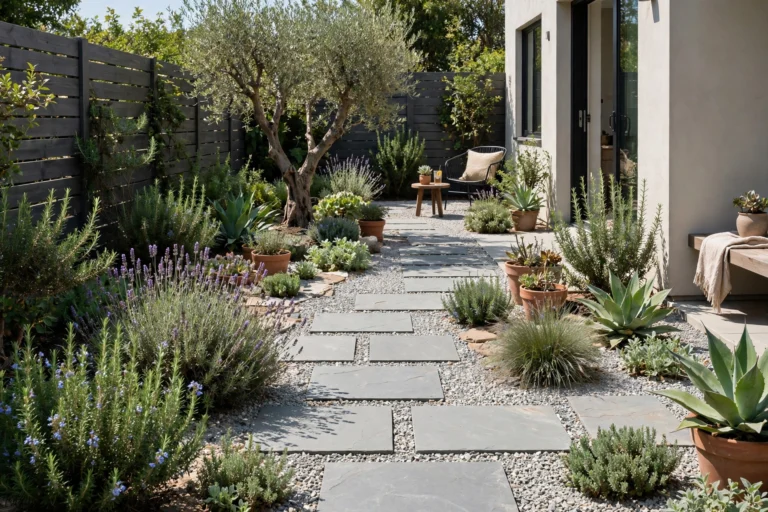
Fragrant herbs like rosemary, thyme, and mint make practical cottage edging, their scented leaves brushing against legs as you pass. Herbs bridge the gap between flower beds and kitchen, offering flavor for cooking and fragrance for the garden in one generous planting.
Plant herbs in sunny, well-drained spots and trim regularly to keep them bushy and productive. Keep mint in a pot to stop it spreading, and harvest often, since frequent picking encourages fresh, tender growth through the season.

10. Tulip and Daffodil Spring Display
Spring in a cottage garden begins with tulips and daffodils pushing through cool soil, their bright cups and trumpets announcing warmer days. Planted in generous drifts beneath shrubs and along paths, they transform the garden after winter’s quiet months.
Plant bulbs in autumn, two or three times their own depth, in sunny or lightly shaded spots with good drainage. Leave foliage to die back naturally after flowering so bulbs store energy and return strongly the following spring.

11. Hydrangeas for Cottage Abundance
Big, blowsy hydrangea heads give cottage gardens their signature abundance, piling soft blue, pink, and white blooms along shady walls and fences. Their generous flowers last for weeks and dry beautifully for indoor arrangements in autumn.
Hydrangeas prefer moist, humus-rich soil and shelter from harsh afternoon sun. Water well in dry weather, mulch thickly in spring, and prune lightly, removing only dead wood and faded heads to protect next year’s buds.

12. A Rustic Wooden Gate
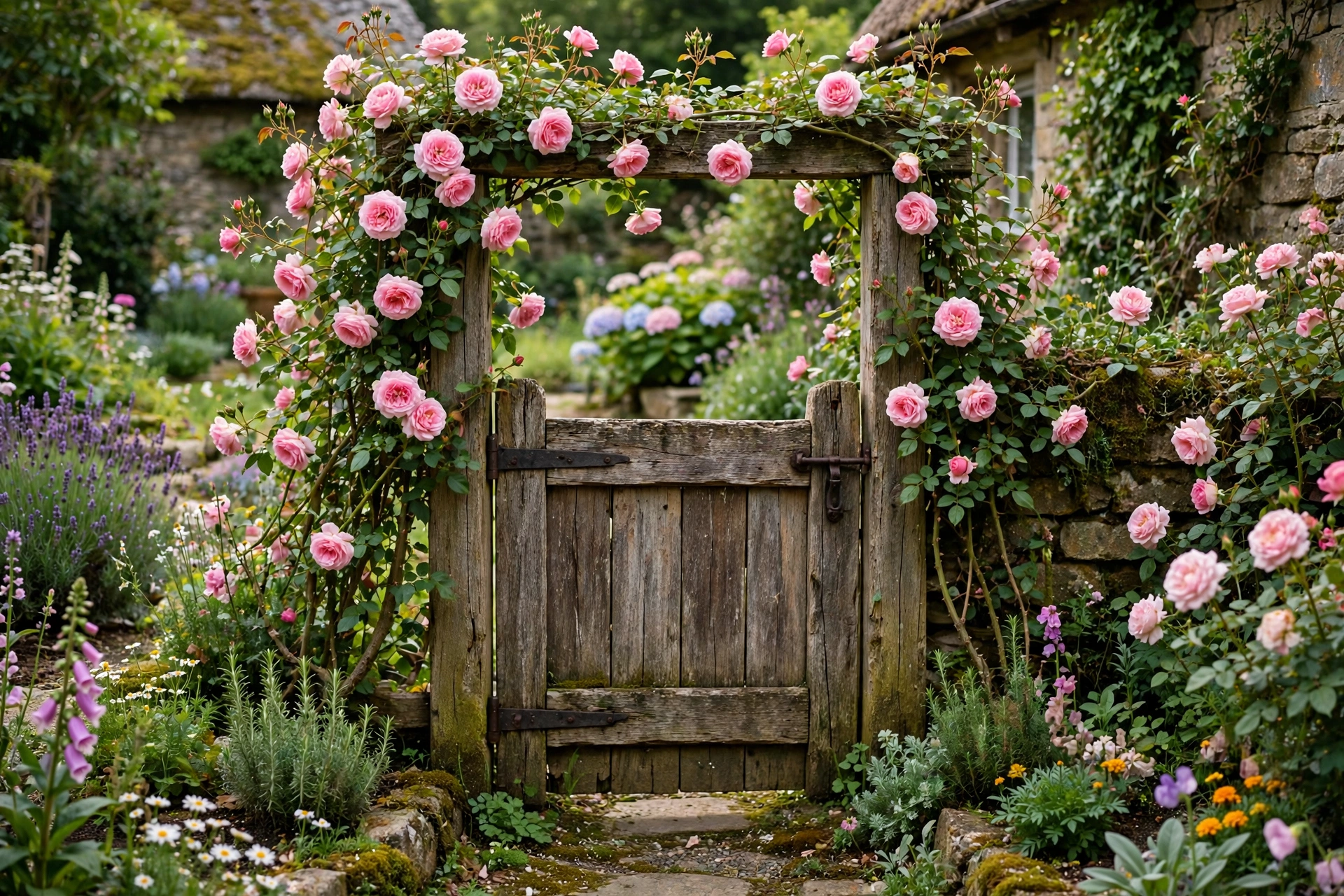
A rustic wooden gate, slightly weathered and framed by climbing roses, sets the tone for a cozy cottage garden before you even step inside. It marks the boundary between the outside world and a private, flower-filled retreat.
Choose a sturdy hardwood gate and treat it yearly to resist weather, or let it silver naturally for a softer look. Flank it with potted flowers or low shrubs so the entrance feels welcoming from the lane.
13. Butterfly-Friendly Blooms
A cottage garden alive with butterflies feels doubly colorful, as painted ladies, peacocks, and tortoiseshells drift between buddleia, verbena, and asters. Planting for butterflies fills the garden with movement and supports these beautiful insects through summer.
Grow nectar-rich flowers in sunny, sheltered spots and avoid pesticides, which harm butterflies and caterpillars alike. Leave a few nettles in a quiet corner, since many butterfly species depend on them for their caterpillars.

14. Hollyhocks Against the Cottage Wall
Tall hollyhocks leaning against a cottage wall are a classic storybook sight, their spires of pink, red, and apricot rising above lower flowers. They add vertical drama to sunny walls and look wonderful beside doors, windows, and garden gates.
Sow hollyhocks in a sunny spot with good drainage, and stake tall stems against wind. They often self-seed freely, so new plants appear each year, keeping the wall display fresh without replanting.

15. A Cozy Garden Bench Nook
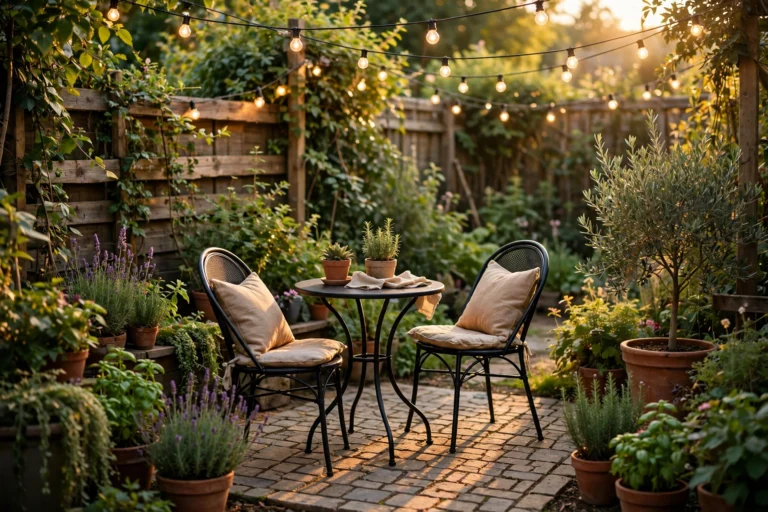
A wooden bench tucked among roses and lavender creates a quiet nook for morning coffee and evening daydreams. Surround it with fragrant flowers at sitting height so every rest in the garden is wrapped in scent and color.
Place the bench where it catches morning sun or dappled afternoon shade, and leave space for a small side table. A bench nook turns a cottage garden from a view into a place to linger.

16. Mixed Perennial Beds
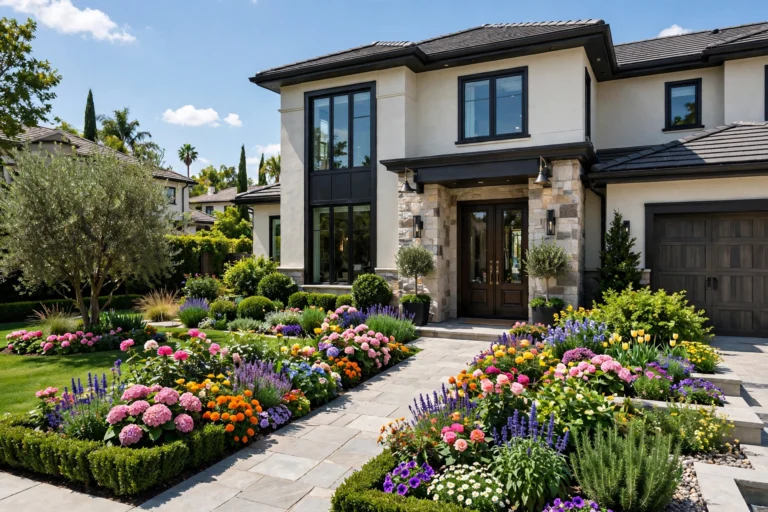
Mixed perennial beds are the heart of cottage gardening, layering roses, delphiniums, geraniums, and salvias into a tapestry of color. Perennials return year after year, growing fuller and more generous, so the garden gains character with time.
Plant in drifts of three or five for a natural look, mixing heights so tall spires rise behind soft mounds. Cut back faded stems in autumn or spring, divide overcrowded clumps, and mulch yearly to keep beds fertile.

17. Potted Geraniums on the Porch
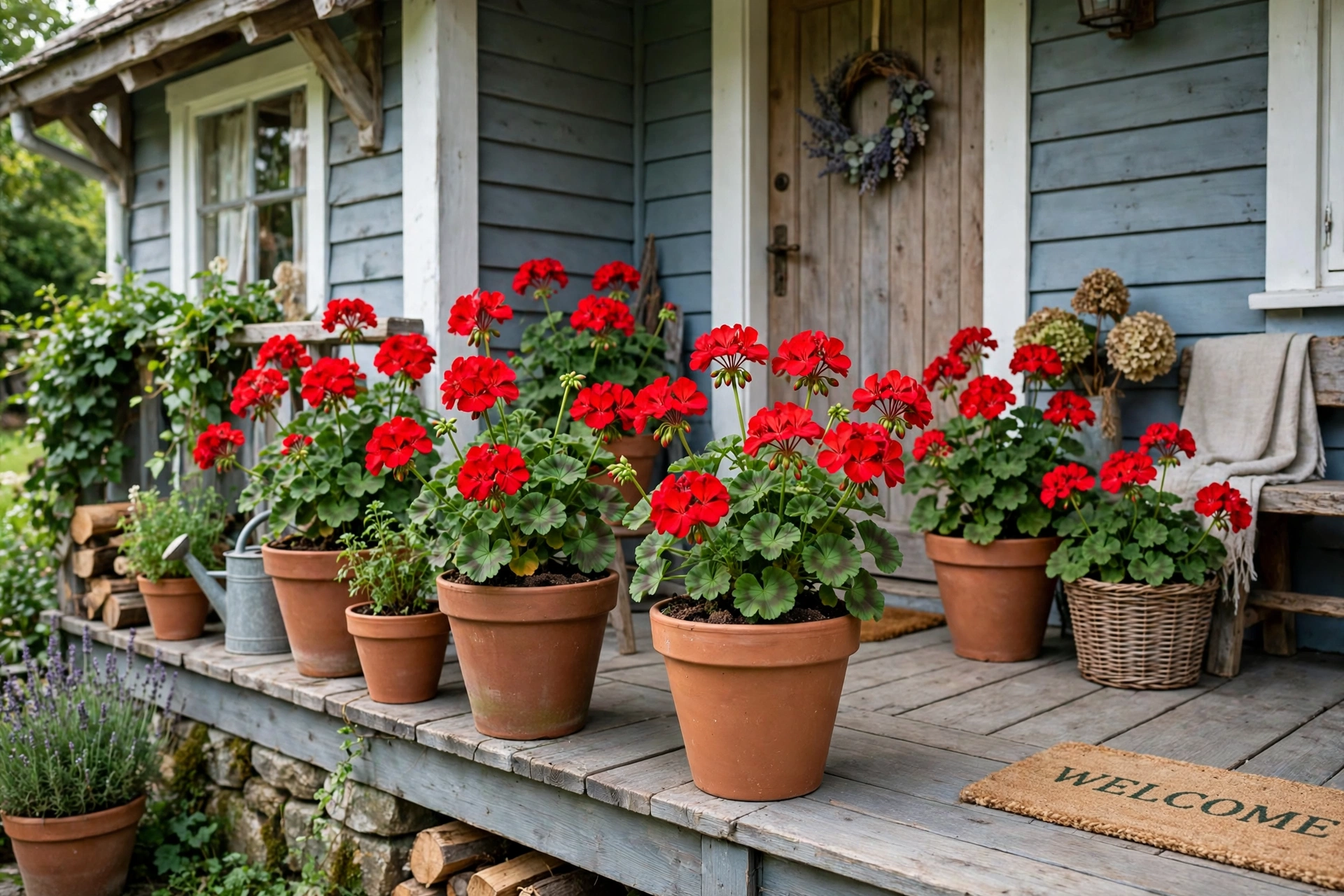
Terracotta pots of scarlet and pink geraniums on the porch announce cottage charm at the front door, their bright blooms glowing against stone and wood. Pots let you concentrate color exactly where guests arrive and where you pass daily.
Water pots when the top of the compost feels dry, and feed weekly in summer for continuous flowering. Move tender geraniums indoors before frost, or take cuttings in late summer to keep favorite colors going.
18. Sweet Peas on a Trellis
Sweet peas climbing a trellis or wigwam fill a cottage garden with fragrance and delicate color, their ruffled blooms in pink, purple, and cream perfect for cutting. Few flowers reward so generously for such simple care.
Sow sweet peas in early spring and train stems onto supports as they grow. Pick blooms every few days to encourage more flowers, and water well in dry weather for the longest, sweetest display.

19. A Birdbath Garden Feature
A simple stone birdbath among the flowers adds a focal point and invites birdsong into the cottage garden. Birds bathing and drinking bring daily delight, while their presence helps keep aphids and other pests in check.
Place the birdbath in a partly shaded spot near shrubs where birds can retreat quickly, and change the water every few days. A shallow basin with a rough edge gives small birds safe footing.

20. Evening Primrose and Night Scent
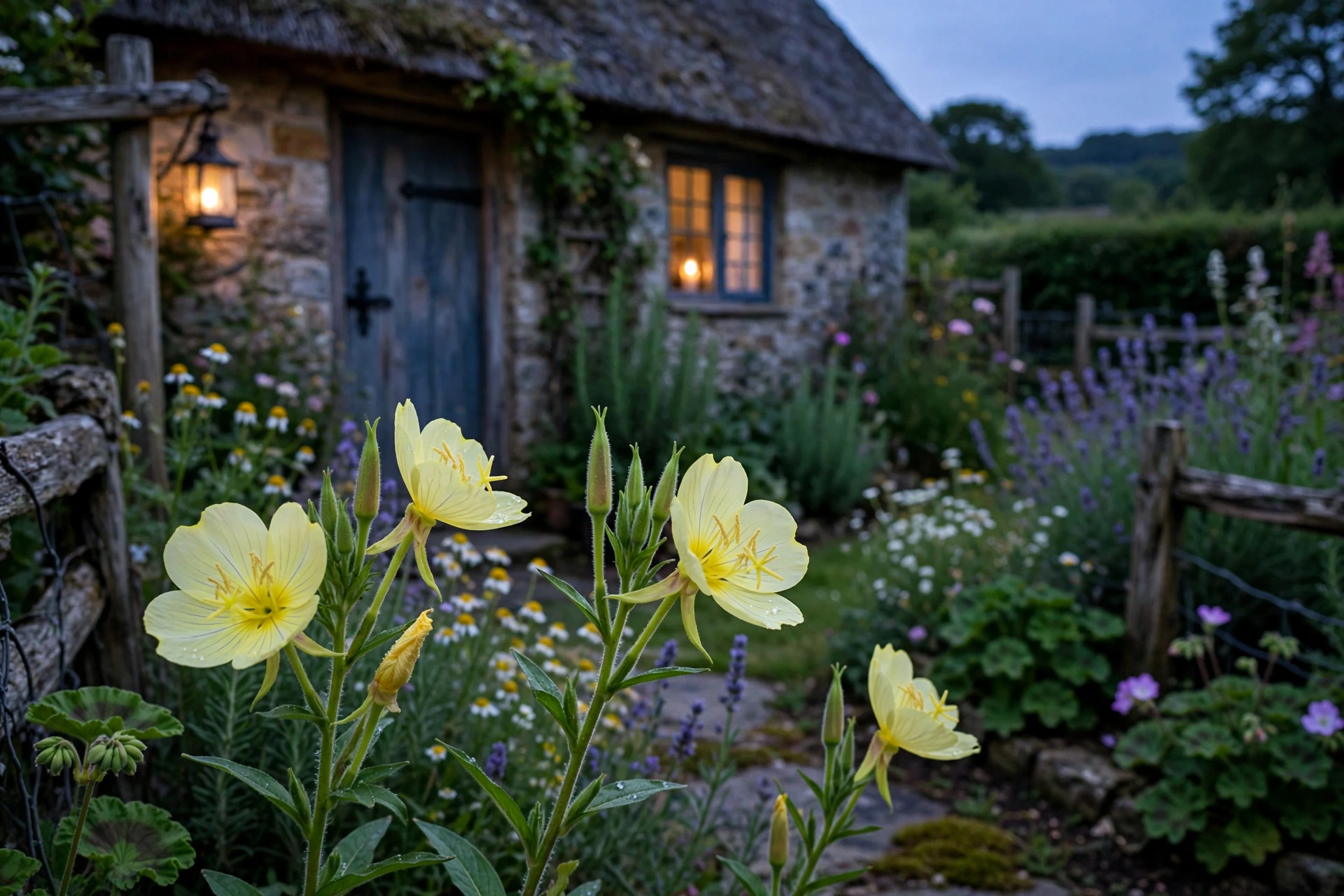
Evening primrose and night-scented stock extend cottage garden pleasure after dark, opening pale yellow and white blooms as daylight fades. Their gentle perfume drifts across patios on warm evenings, making summer nights in the garden magical.
Plant night-scented flowers near seating areas and bedroom windows where their fragrance can be enjoyed. Evening primrose self-seeds readily in sunny, well-drained soil, returning each year with little effort.
21. Colorful Containers by the Door
Clusters of colorful containers by the front door create an instant cottage welcome, mixing trailing lobelia, upright salvias, and bright marigolds. Grouped pots look generous and allow you to change the display with the seasons.
Use containers of different heights and one repeated color to tie the group together. Water daily in summer, deadhead regularly, and refresh compost each spring for a doorstep display that never fades.

22. A Storybook Rose Arbor
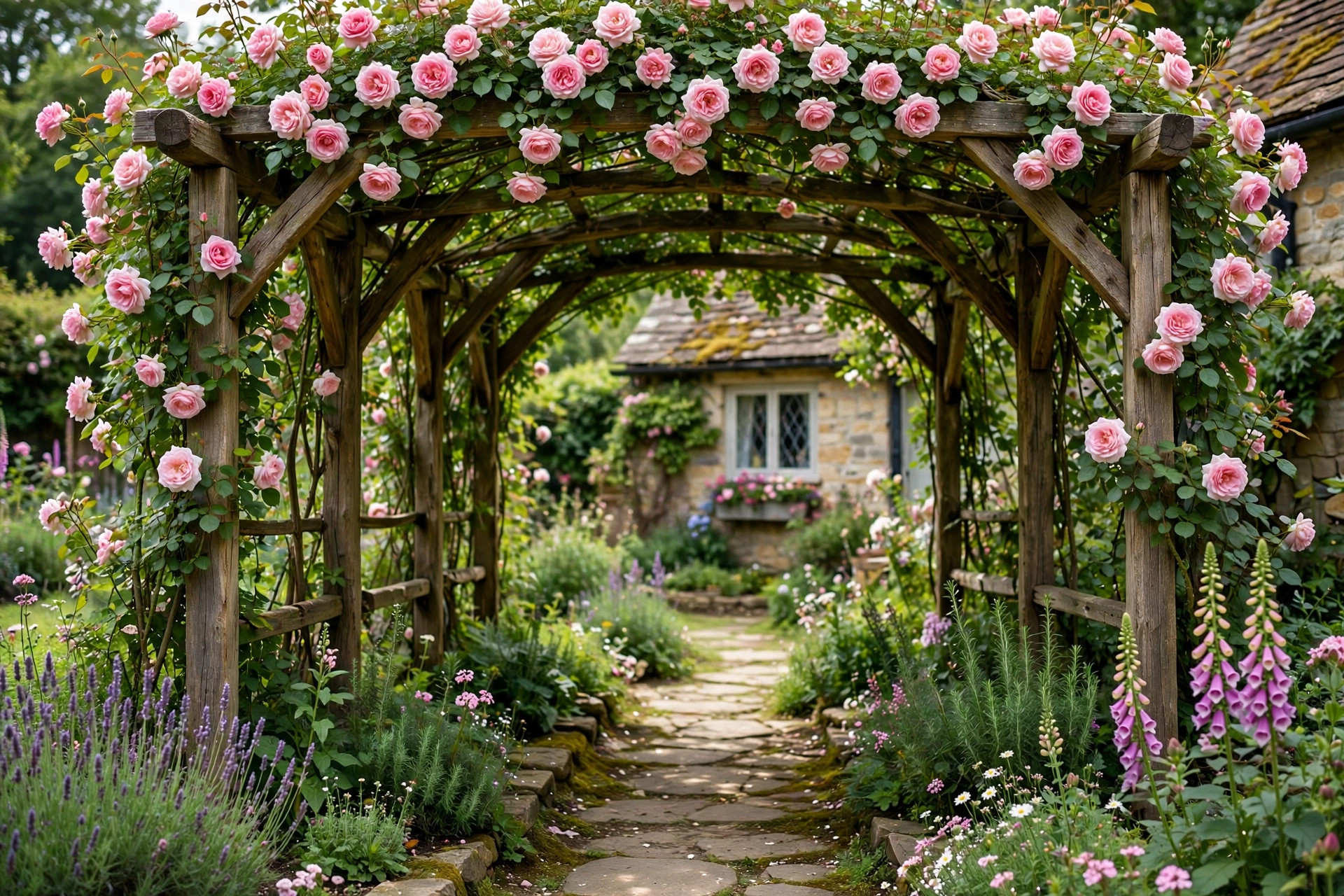
A rose arbor over a garden seat or path creates a shaded, scented tunnel that feels straight from a fairytale. Climbing roses and clematis weave overhead, dropping petals onto the path and framing every view with blooms.
Build the arbor from sturdy timber and plant one vigorous climber on each side. Guide stems horizontally where possible, since sideways growth produces more flowering shoots along the whole structure.
23. Pollinator Pathways
Pollinator pathways of lavender, borage, and single-flowered dahlias turn a cottage garden into a haven for bees and hoverflies. These hardworking visitors pollinate flowers and vegetables, keeping the whole garden productive and full of life.
Choose open, single flowers over doubles, since pollinators reach their nectar more easily. Plant in sunny drifts and leave some bare soil and hollow stems for ground-nesting bees and overwintering insects.

24. Seasonal Succession Planting
Succession planting keeps a cozy cottage garden colorful from the first snowdrops to the last asters, layering bulbs, spring bedding, summer perennials, and autumn flowers. Planning by season avoids bare patches and keeps the garden lively all year.
Note what blooms when, then fill gaps with plants for that season. A simple notebook or phone list helps you remember where gaps appeared, so next year’s planting keeps color flowing without effort.

25. Keeping the Cottage Charm Alive
Keeping cottage charm alive is mostly about gentle care: regular deadheading, seasonal mulching, and letting a few plants self-seed where they please. A cottage garden should look loved rather than manicured, with soft edges and happy abundance.
These cozy cottage garden with colorful flowers ideas work best when adapted to your climate, soil, and space. Mix the elements you love, plant generously, and enjoy a garden that grows more beautiful and more personal every year.