
25 Modern Japanese Gate Ideas: Serene Designs for Your Entrance
A Japanese gate brings calm to the very threshold of your home. Rooted in centuries of design wisdom, these entrances favor natural materials, clean lines, and quiet proportion — a deep breath before you step inside.
These modern Japanese gate ideas blend traditional forms with contemporary living, from minimalist wood designs to serene garden entrances. Prefer the bold character of metalwork? See our New Iron Gate Design guide.
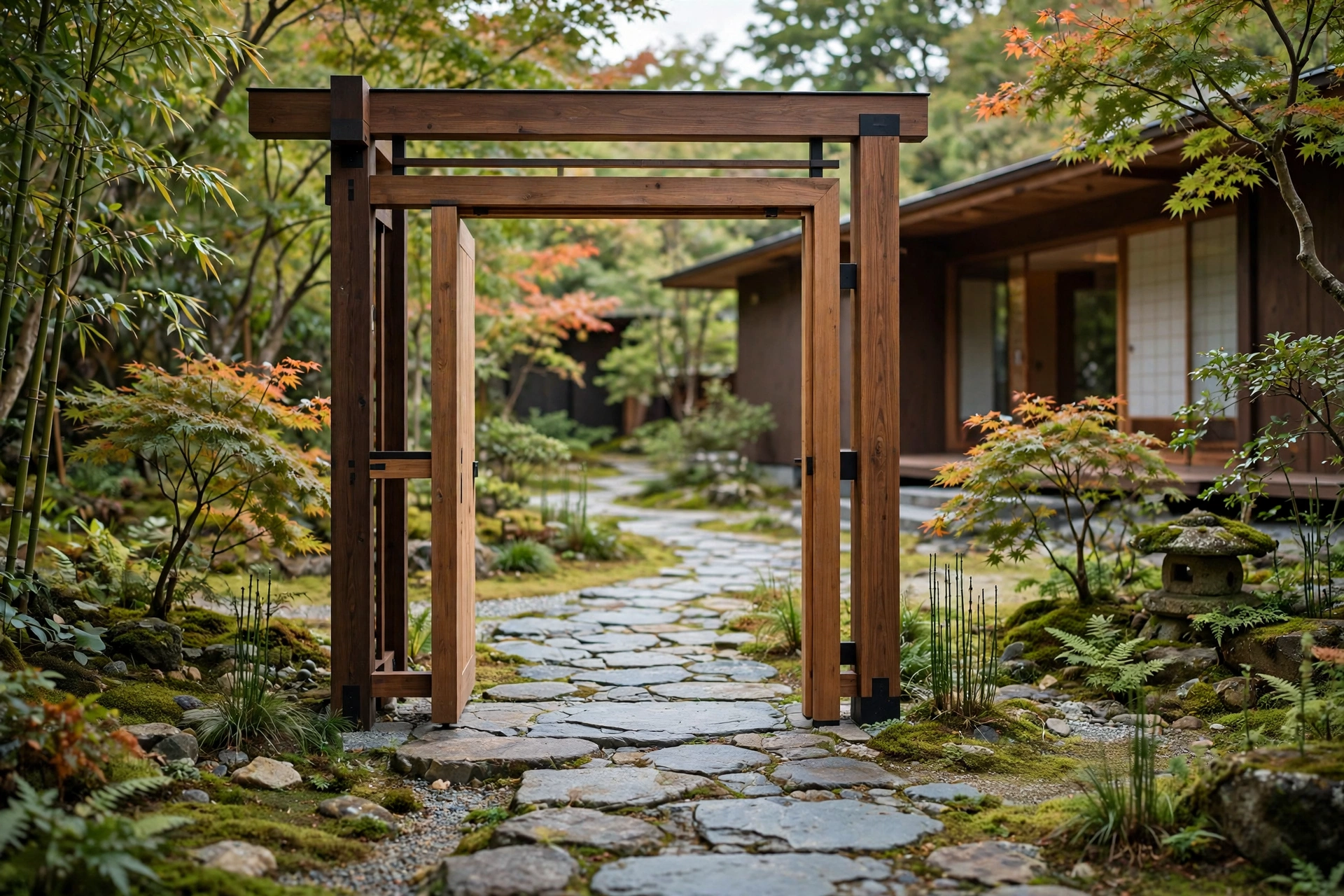
1. Build a Torii-Inspired Wooden Gate
The torii’s simple, powerful silhouette translates beautifully to a modern home entrance. Two posts and a lintel — nothing more — in warm wood.
Keep proportions generous and the finish natural. Even abstracted, the form carries centuries of meaning.

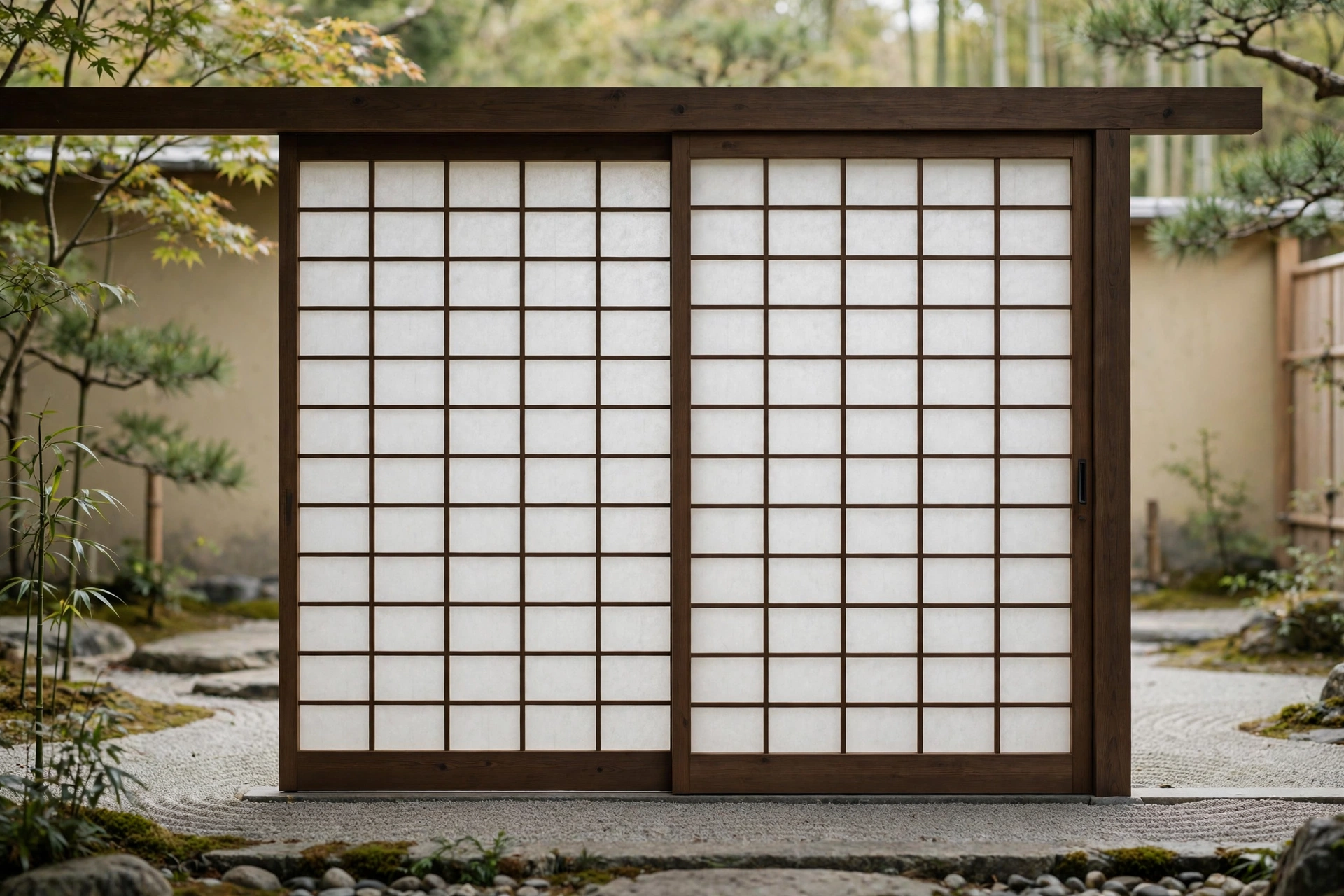
2. Use Shoji-Style Sliding Panels
Shoji-inspired sliding panels bring light, texture, and movement to a gate. Translucent panels glow softly when backlit at night.
Modern versions use durable polycarbonate instead of paper. The sliding action feels ritualistic and calm.
3. Stain Cedar Dark for Contrast
Dark-stained cedar against stone pillars is a classic modern Japanese combination. The deep wood tone feels grounded and sophisticated.
Let the wood’s grain show through the stain. Texture matters as much as color in Japanese design.

4. Frame a Zen Garden Entrance
Let the gate be the threshold to a small zen garden — raked gravel, a stone lantern, one sculpted pine. The entrance becomes a meditation.
Keep the planting minimal and intentional. Every element should earn its place.

5. Choose Clean Geometric Metal
A modern Japanese gate in powder-coated steel with strict geometry honors the aesthetic through discipline rather than material. Lines must be perfect.
This suits urban homes where wood needs more maintenance. Precision is the ornament.

6. Crown It with a Tiled Roof
A small tiled roof over the gate — the kabukimon style — adds shelter and unmistakable Japanese character. The roof’s curve is pure poetry.
Use traditional clay tiles for authenticity. The roof makes the gate feel like a small building, worthy of respect.

7. Open onto a Courtyard
A Japanese gate that opens directly onto a courtyard creates a beautiful sequence: street, threshold, private garden. The transition is the experience.
Keep the courtyard visible but not fully revealed from the street. Mystery is part of the design.
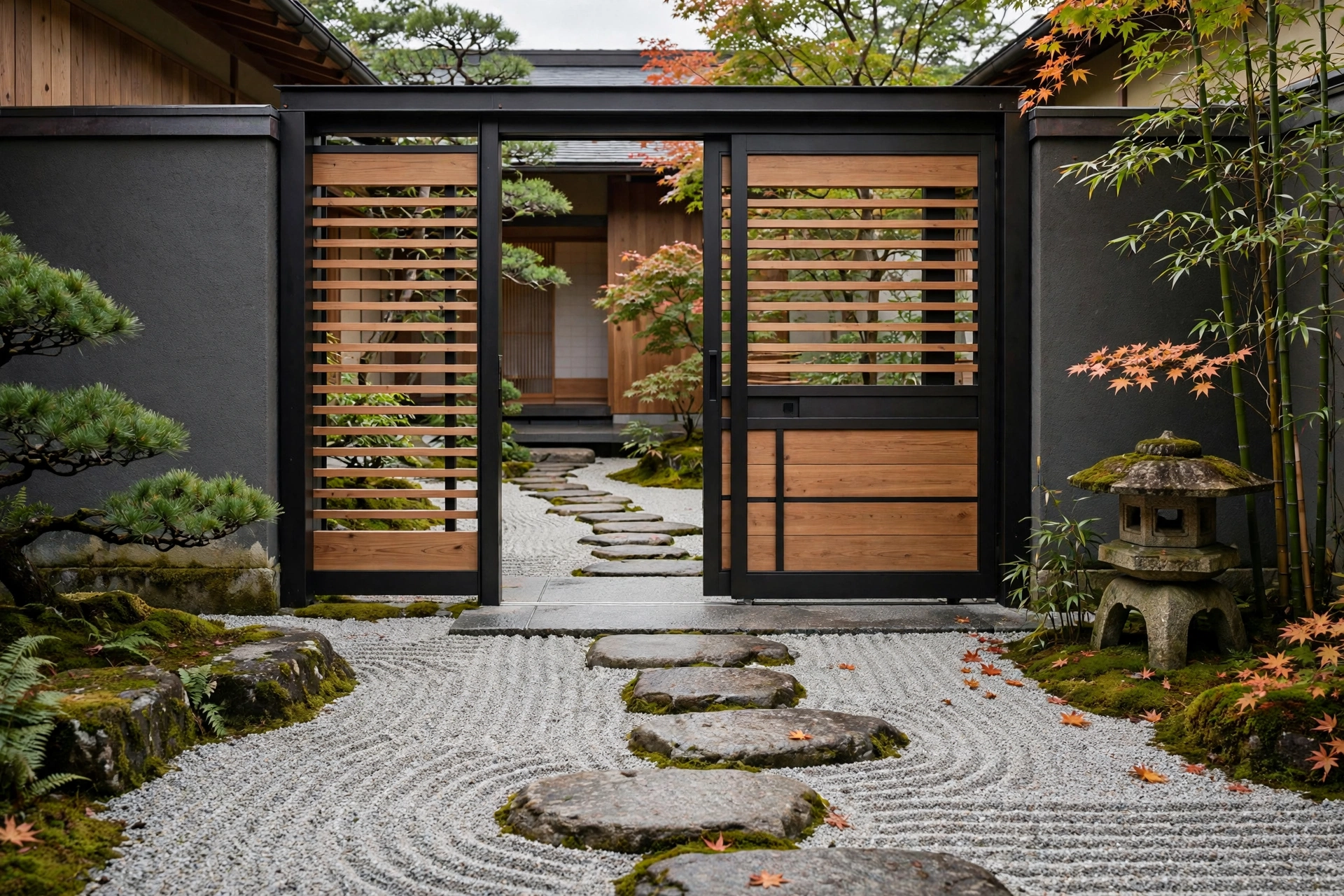
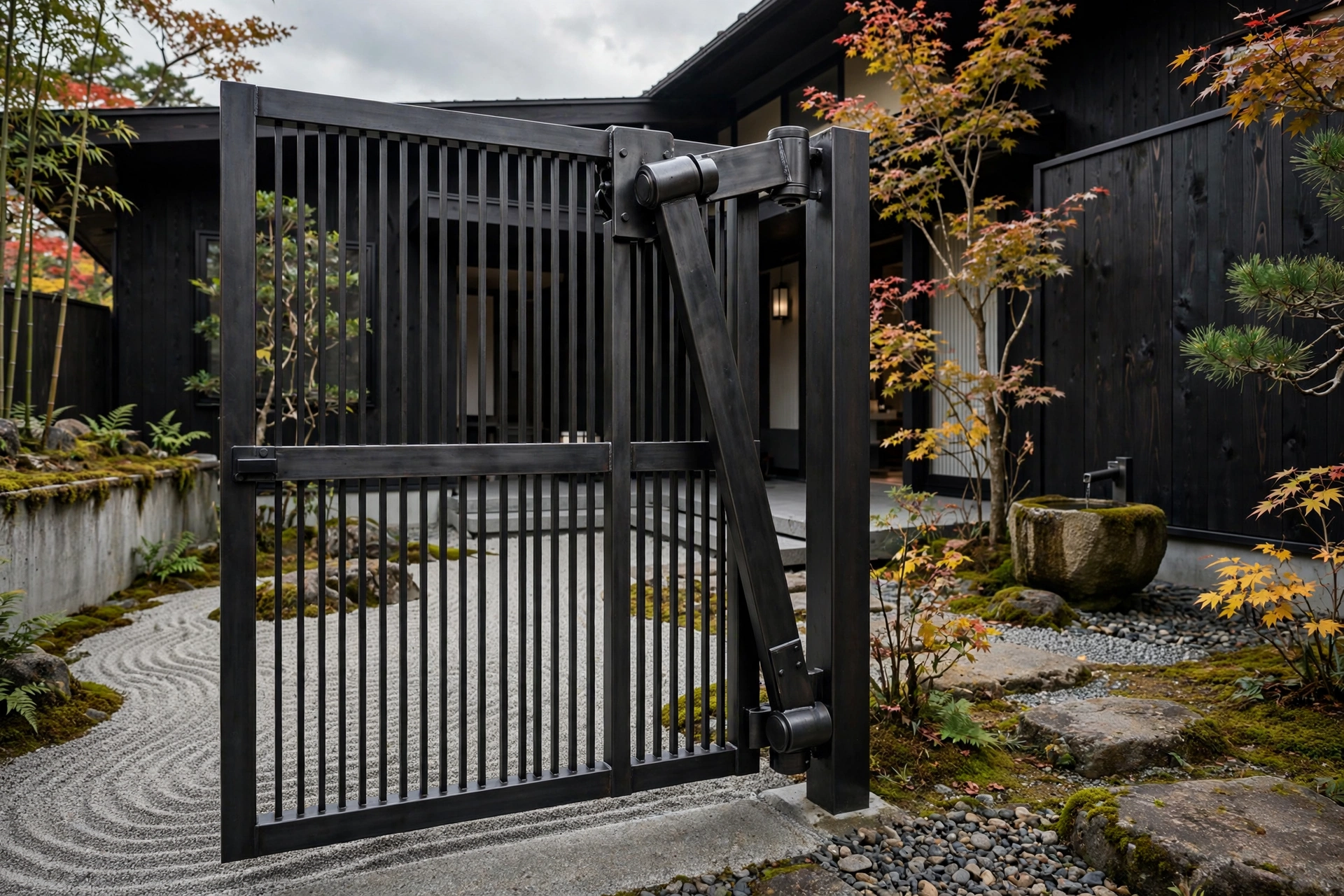
8. Go Sleek in Black Steel
Black steel with Japanese proportions — thin members, careful spacing, perfect welds — feels both modern and timeless. It’s the tuxedo of gates.
The finish must be flawless; minimalism forgives nothing. Invest in fabrication quality.

9. Hang Paper Lanterns
Paper lanterns flanking a Japanese gate cast the warmest, most welcoming light imaginable. They signal “home” in the most literal, glowing way.
Use outdoor-rated lanterns for longevity. Their soft light flatters wood and stone alike.

10. Keep Wood Rustic and Natural
A rustic Japanese gate in unfinished wood celebrates the material honestly — knots, grain, and all. It will silver beautifully with age.
Choose rot-resistant species like cedar or cypress. Natural weathering is part of the aesthetic, not a flaw.

11. Mix Wood Slats with Frosted Glass
Horizontal wood slats alternating with frosted glass strips create rhythm and light. The combination feels warm yet contemporary.
This works well where some privacy is needed without heaviness. The pattern of slat and glass is quietly musical.
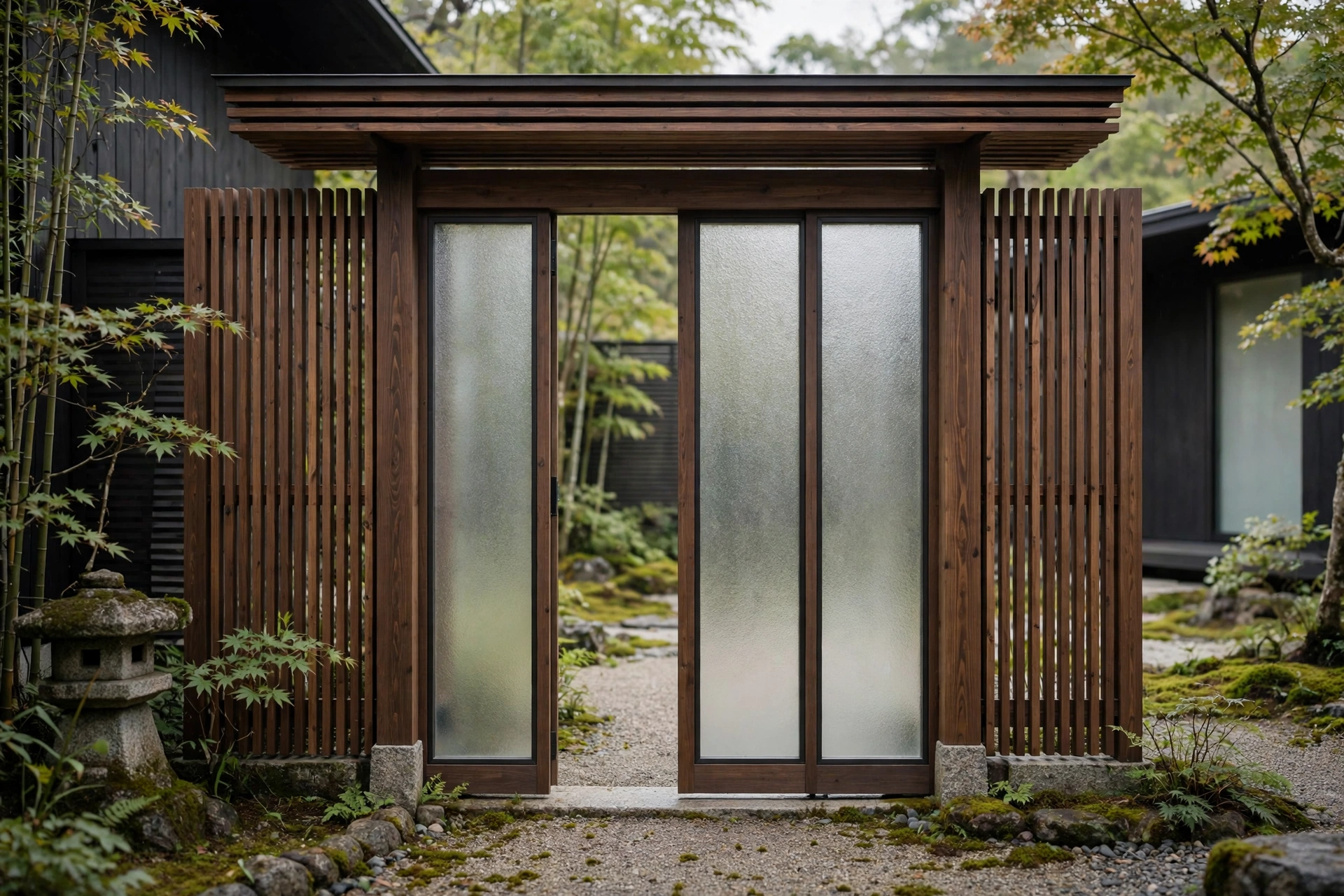
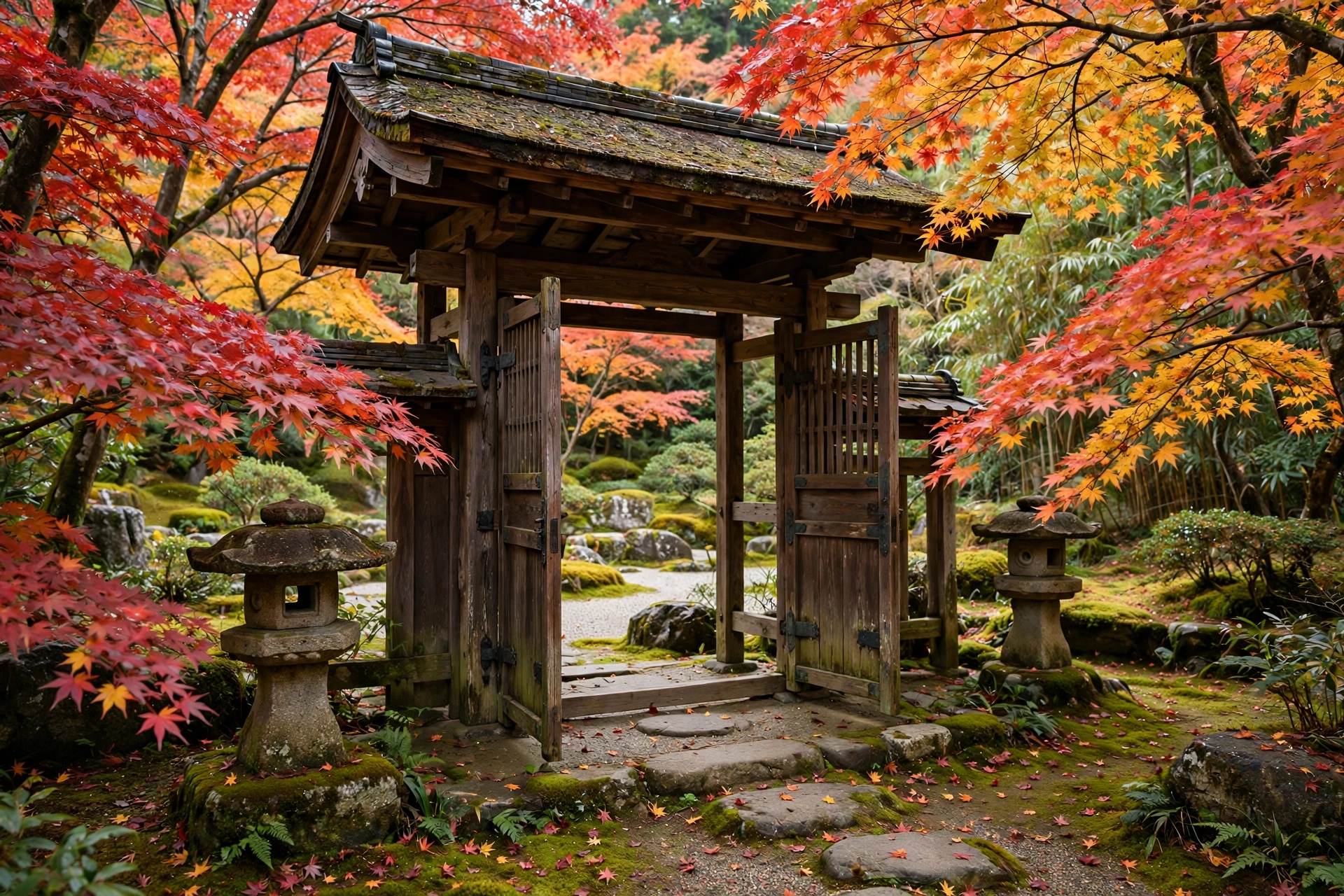
12. Plant Maples and Stone Lanterns
Flank the gate with Japanese maples and stone lanterns for an entrance that changes with the seasons. Autumn color becomes an event.
Position lanterns asymmetrically — perfect symmetry feels less Japanese. Let nature be slightly wild.
13. Pair Concrete with Warm Wood
Board-formed concrete pillars with warm wood gate panels — brutalist texture meets natural warmth. The contrast is striking and modern.
The concrete’s wood-grain imprint ties the materials together. Raw and refined at once.

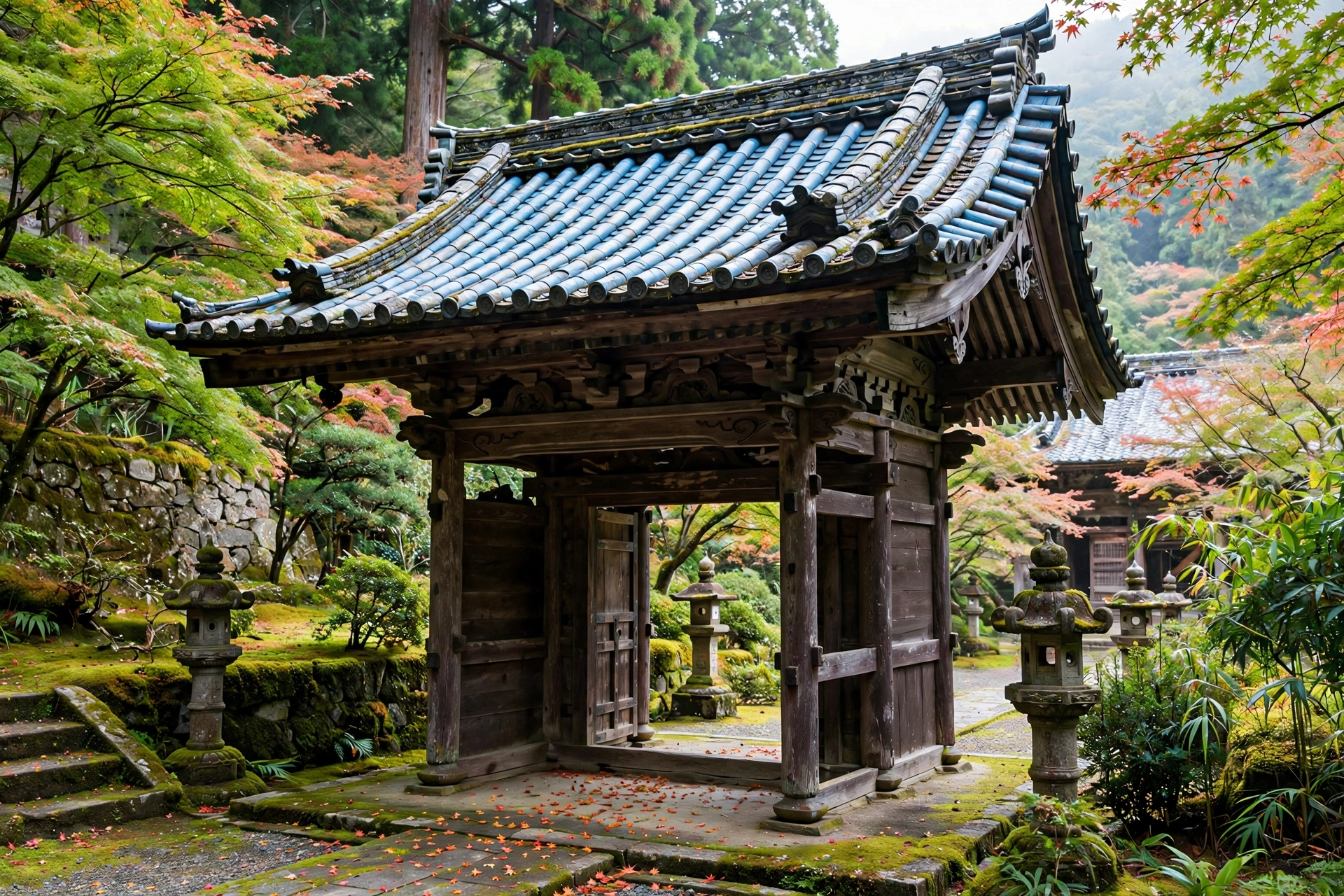
14. Add a Curved Temple-Style Roof
A curved tile roof in temple style gives the gate ceremonial presence. It’s the most traditional option here — and the most dramatic.
Reserve this for larger properties where the scale works. Tradition at full volume.
15. Install a Modern Pivot Gate
A pivot-hung Japanese-style gate rotates on a central point with balletic smoothness. The engineering becomes part of the beauty.
Pivot gates suit wide entrances and make a quiet statement. The motion itself is the luxury.
16. Weave a Simple Bamboo Gate
A bamboo gate is the lightest, most natural option — simple poles tied with rope in traditional fashion. It’s humble and beautiful.
Bamboo needs replacing every few years, but the craft of remaking it is part of the tradition. Impermanence, embraced.

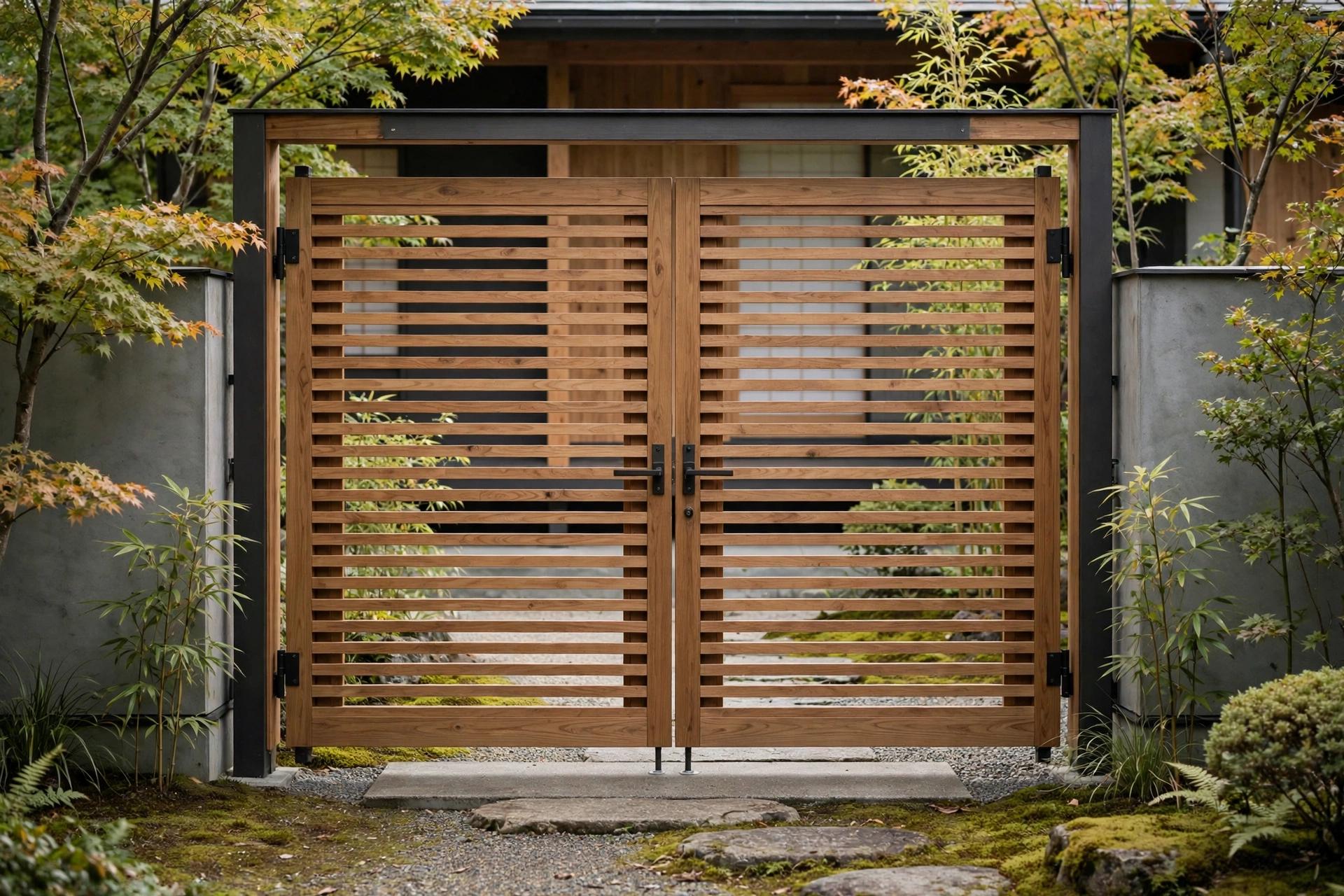
17. Run Long Horizontal Slats
Long horizontal wood slats emphasize width and calm. The eye travels sideways, and the entrance feels expansive and relaxed.
Keep gaps even and slats straight — the simplicity demands precision. Stain for longevity.
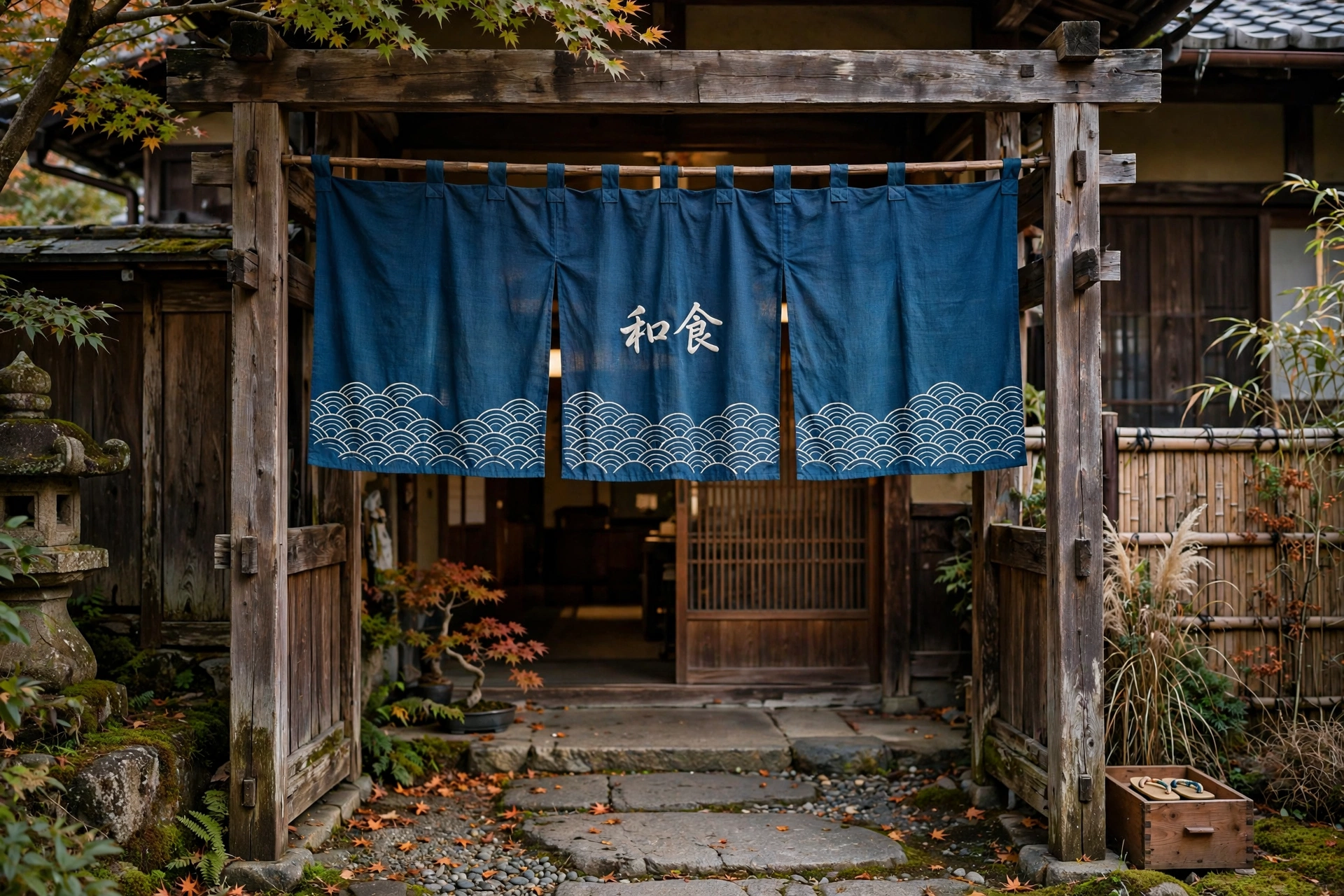
18. Hang a Noren Curtain
A noren curtain at the gate — split fabric panels in deep indigo or natural linen — is the softest possible threshold. It moves in the breeze and marks entry beautifully.
Choose traditional patterns or plain cloth. The noren says “welcome” without a single word.
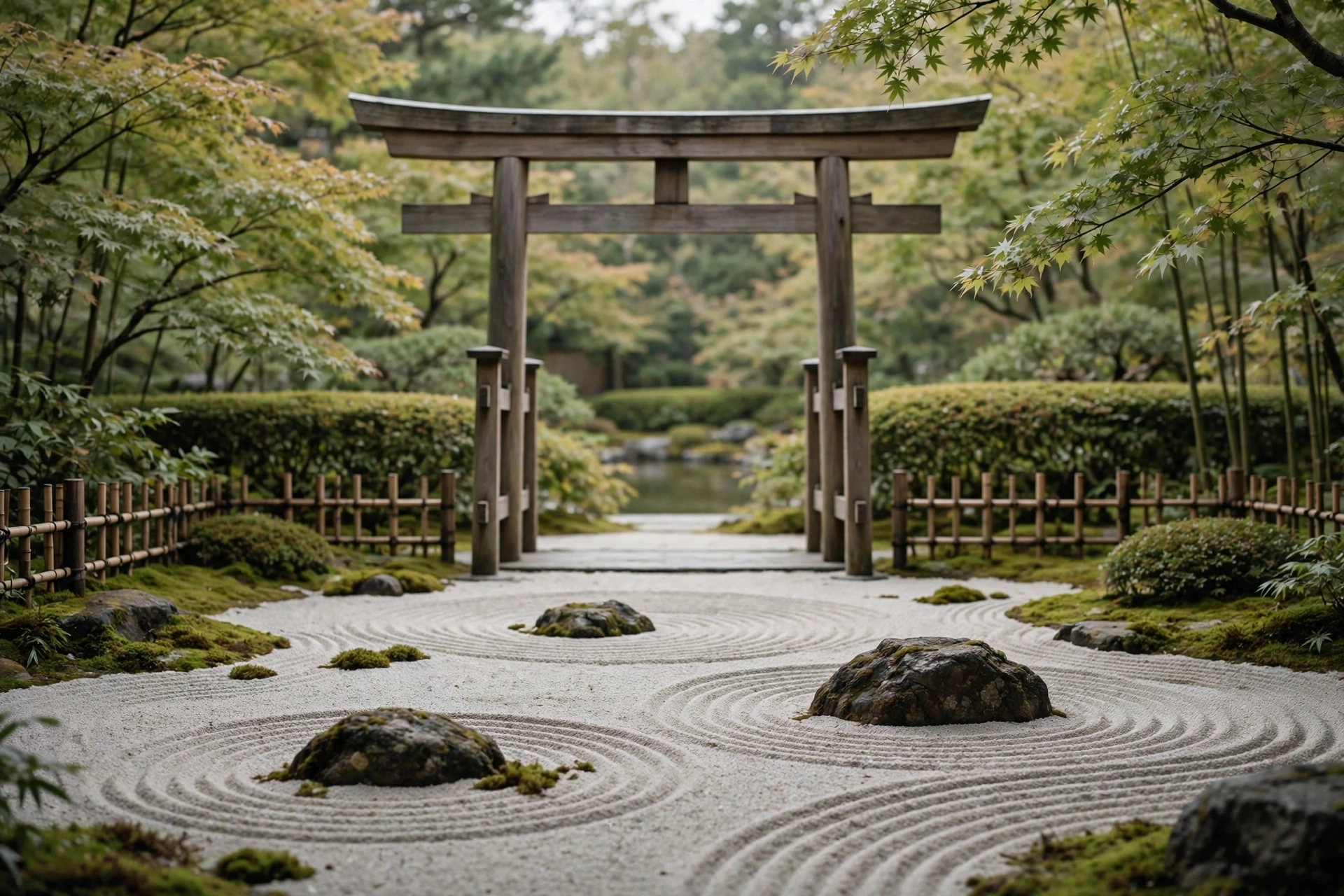
19. Rake Gravel Before the Gate
A field of raked gravel before the gate extends the zen aesthetic to the approach. The patterns invite contemplation before entry.
Rake weekly to keep patterns crisp. This is gardening as meditation.
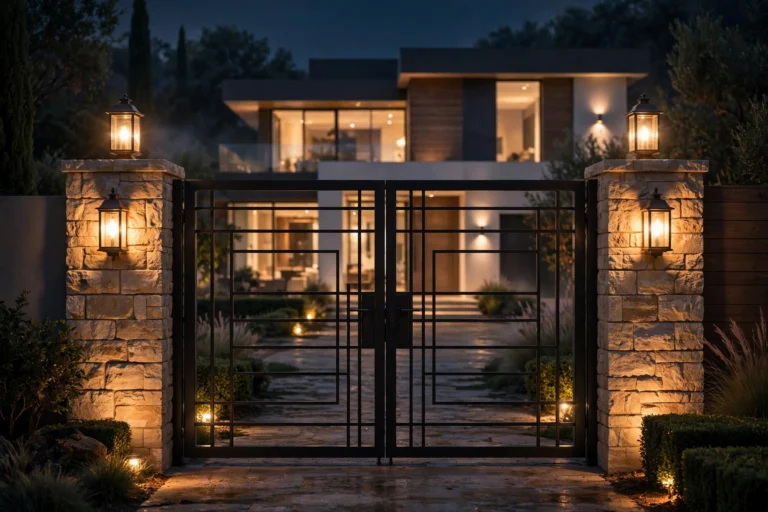
20. Light It Warmly at Night
Warm lantern light on a Japanese gate at night is pure atmosphere. The wood glows, shadows deepen, and the entrance feels sacred.
Use low, warm sources — never harsh floods. Night is when the gate shows its soul.

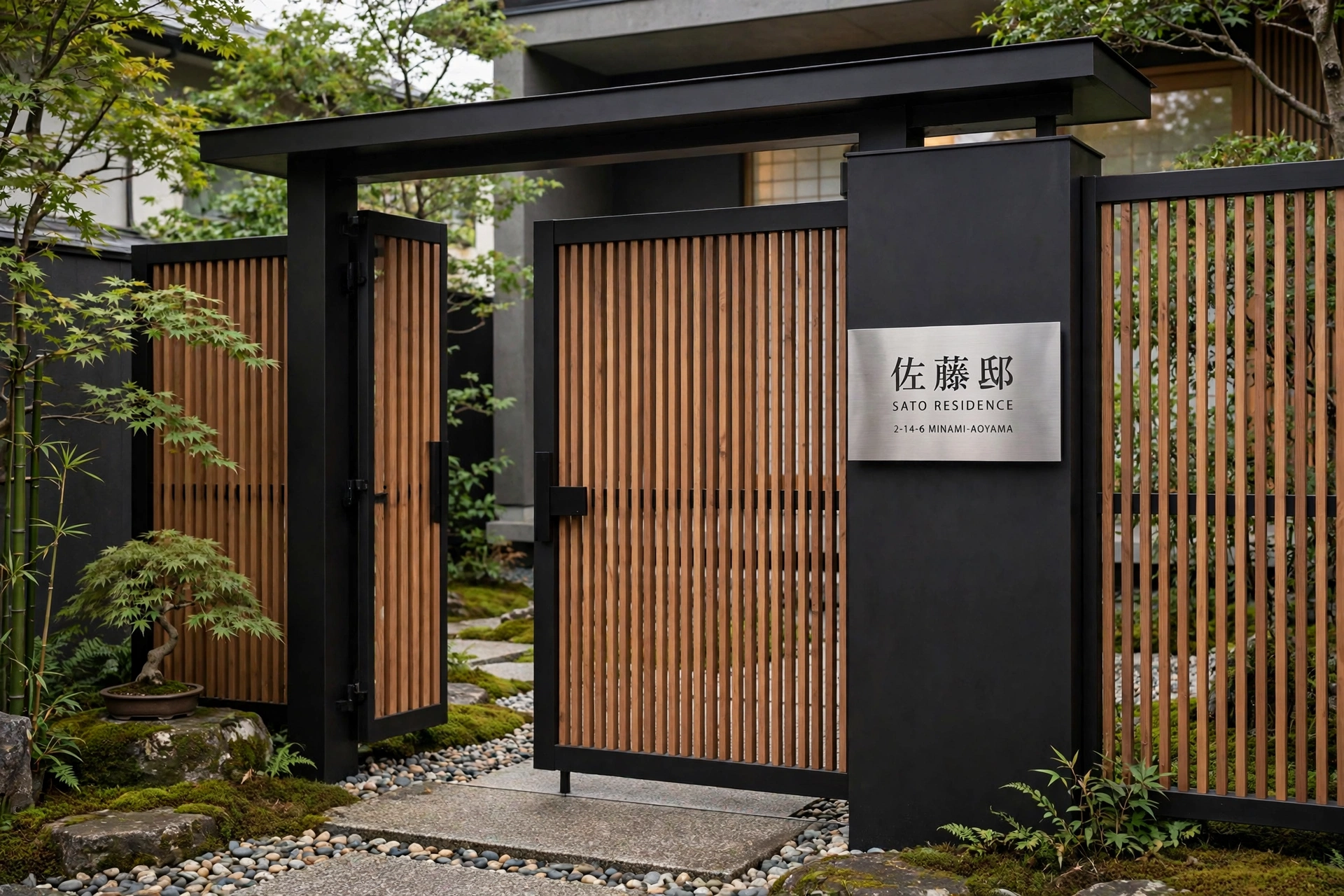
21. Integrate a House Nameplate
A small stone or wood nameplate set into the gate pillar — carved or brushed characters — personalizes the entrance with quiet dignity.
Keep it modest in size. In Japanese design, the smallest details carry weight.
22. Add Shoji Side Screens
Fixed shoji-style side screens flanking the gate extend the composition and filter views. They turn a gate into an entrance ensemble.
The screens glow when lit from behind at night. Architecture as lantern.

23. Mix Corten Steel with Wood
Corten steel’s rusted patina against warm wood is a thoroughly modern Japanese palette — wabi-sabi in contemporary materials. The steel will keep evolving.
Let the rust stabilize naturally. Imperfection is the point.

24. Keep a Small Garden Gate Simple
For a small garden, the gate should whisper, not shout. A simple wooden frame with a latch, barely taller than the fence, is enough.
Scale everything to the garden. Small spaces reward restraint most.

25. Compose a Grand Landscaped Entrance
For a larger property, compose the full sequence: gate, path, water, stone, planting. The Japanese entrance is never just a gate — it’s a journey.
Plan the approach as carefully as the gate itself. Arrival should feel like unwinding.




One Comment